Did you know that water heating can account for as much as 40% of your monthly electricity bill in South Africa? With City Power implementing an 8.63% residential tariff hike and winter peak rates reaching 634.02 c/kWh, many residents are asking how they can lower their bills while staying resilient against grid instability. You're likely tired of exorbitant Eskom costs and the constant threat of power surges damaging your expensive appliances. Implementing professional energy saving solutions home Johannesburg residents can rely on is the most effective way to regain control over your household expenses.
We understand the pressure of maintaining a home amidst rising costs and infrastructure challenges. This 2026 guide promises to show you how to reduce your utility spend and build a resilient, self-sufficient ecosystem through expert plumbing and electrical strategies. We will look at practical steps like Geyserwise installations, heat pumps, and surge protection to safeguard your property. By adhering to these verified standards, you'll ensure your home remains compliant for insurance and property resale while enjoying a significantly lower monthly spend.
Key Takeaways
- Learn how to navigate the 2026 City Power tariff hikes by implementing professional energy saving solutions home Johannesburg residents need to maintain a lower monthly spend.
- Discover why the geyser is your home's largest energy consumer and how solar geysers or heat pumps can reduce water heating costs significantly.
- Understand the importance of separating essential and non-essential loads when installing backup battery systems to maximise inverter efficiency and longevity.
- Explore the link between water security and power, including how JoJo tank installations and efficient pumping systems protect your home from municipal infrastructure failures.
- Ensure your property remains insured and market-ready by securing official Electrical and Plumbing Certificates of Compliance for all modern energy upgrades.
Navigating the Johannesburg Energy Crisis: Why Efficiency is Essential in 2026
As of July 2026, Johannesburg residents face a stark financial reality. City Power's 8.63% average tariff increase, combined with fixed monthly charges of R241.50 for prepaid users and upwards of R1,070 for postpaid connections, has fundamentally shifted the household budget. Simply switching off a few lights or using "behavioural changes" no longer offsets these rising costs. The city's electricity losses sit at 27%, a burden often passed down to the consumer through these aggressive price structures. True energy saving solutions home Johannesburg owners need must address the structural inefficiencies of the property itself. A resilient home in 2026 is an integrated ecosystem where power, water, and heating are managed as a single unit. Johannesburg's unique geography, sitting at a high altitude with over 2,500 annual sunshine hours, provides a massive advantage for those adopting Renewable energy in South Africa. However, capturing this potential requires a disciplined technical approach to how energy is consumed and protected.
Understanding the True Cost of Load Shedding
Load shedding does more than interrupt your daily routine. The frequent power cycles place immense mechanical and electrical stress on high-draw appliances. Geysers and booster pumps often bear the brunt of these fluctuations, leading to premature failure. When the grid returns, a "surge energy" event occurs. This isn't just a spike in voltage; it's a moment of peak consumption as every appliance in the neighbourhood attempts to draw power simultaneously. Without professional Surge Protection, your sensitive electrical components are at constant risk. Investing in protection is now a fundamental energy-saving strategy. It prevents the massive capital outlay of replacing damaged equipment and ensures your system operates at peak efficiency when the lights stay on.
The Shift Towards Home Autonomy in Gauteng
In suburbs across Johannesburg, homeowners are moving away from "saving cents" and towards total systemic resilience. This shift isn't just about surviving the next blackout. It's about property valuation and long-term security. A home with a verified Electrical Certificate of Compliance (COC) for its backup systems is far more attractive in the current property market. We see a growing need for an integrated approach between plumbing and electrical systems. For example, addressing Low Water Pressure or fixing a hidden leak reduces the energy required by booster pumps to maintain flow. This holistic view ensures that every Rand spent on your home's infrastructure contributes to a lower monthly utility spend. By organising your home's essential loads and focusing on high-efficiency equipment, you build a property that is both self-sufficient and compliant with modern insurance standards.
Optimising Hot Water: Solar Geysers vs. Heat Pumps for Johannesburg Homes
Water heating is the single largest contributor to your electricity bill, often accounting for 40% of total household consumption. In the context of the 2026 City Power tariff hikes, addressing your geyser's efficiency is the most impactful of all energy saving solutions home Johannesburg residents can adopt. Johannesburg is uniquely positioned to benefit from solar thermal technology, receiving over 2,500 hours of sunshine annually. However, the choice between solar and heat pump technology depends heavily on your property type and available roof space. Whilst a solar geyser utilises direct radiation, a heat pump acts as a reverse air conditioner, extracting ambient heat from the air to warm your water. Both systems represent a significant shift away from the traditional, inefficient resistive heating elements that drive up monthly costs.
Solar Geyser Installation: Pros and Cons
When choosing a solar system for the Highveld, the distinction between direct and indirect systems is vital. Johannesburg winters frequently see overnight temperatures drop below freezing, which can cause direct systems to burst. Indirect systems use a heat-transfer fluid to prevent freezing, making them the superior choice for local frost conditions. Whilst the initial capital outlay is higher than a standard geyser, the payback period is typically achieved within three to five years through reduced electricity spend. Regular maintenance, such as checking the magnesium anode and ensuring the collector panels are clean, is essential to maintain peak thermal gain. For those looking to integrate these systems into a broader strategy, consulting Smart Electrical Upgrades: Inverters, Batteries, and Essential Loads can provide technical guidance on professional standards.
Heat Pumps: The Modern Alternative
Heat pumps have become the favourite choice for space-constrained townhouses in areas like Sandton and Rosebank. Because they don't require large north-facing roof arrays, they offer incredible flexibility for modern developments. A heat pump uses roughly 30% of the electricity required by a conventional geyser to produce the same amount of hot water. These units integrate seamlessly with existing backup power systems because their lower starting current doesn't overwhelm smaller inverters. To maximise these benefits, we recommend using Geyserwise installers to fit intelligent controllers that manage heating schedules whilst you sleep, ensuring you aren't heating water during expensive peak-tariff periods. If you are unsure which technology fits your plumbing layout, a professional geyser repair and assessment can identify the most cost-effective path forward.
Managing your hot water is not just about the heating source; it is about control. By installing a Geyserwise system, you gain transparency into your energy usage and can prevent the element from firing up during City Power's winter peak hours, when rates hit 634.02 c/kWh. This disciplined approach to water heating ensures your home remains efficient, even as municipal costs continue to climb.

Smart Electrical Upgrades: Inverters, Batteries, and Essential Loads
Finding the right energy saving solutions home Johannesburg households can implement involves more than just buying a battery. In 2026, a modern inverter system serves as the central brain of your home's energy management. It does not just provide backup power during a blackout; it allows for the precise control of how and when you consume electricity from the grid. By integrating Inverter Installations with smart monitoring, you can identify phantom loads and adjust your consumption patterns to avoid the highest City Power tariff brackets. This systemic approach is essential for offsetting the 9% energy charge increase implemented this year.
The efficiency of your backup system depends heavily on how you organise your Distribution Board (DB). A professional installation involves separating your electrical circuits into essential and non-essential loads. Essential loads include your LED & Smart Lighting, security systems, and home office equipment. Non-essential loads, such as electric stoves or underfloor heating, are bypassed to prevent them from draining your battery storage in minutes. For daily cycling, Lithium-ion batteries have become the standard over older Lead Acid technology. They offer a much deeper depth of discharge and can handle the thousands of cycles required to navigate Johannesburg's frequent grid instability without degrading.
Inverter Installation in Sandton and Waterfall
Properties in Sandton and Waterfall often have complex electrical requirements that demand precise inverter sizing. A modern pure sine wave inverter ensures that sensitive electronics receive clean power, preventing the micro-damage caused by cheaper, modified sine wave alternatives. Positioning is equally important. We install battery centres in cool, well-ventilated areas to prevent thermal throttling, which can significantly reduce the lifespan of your Backup Battery Systems. A disciplined installation process ensures that your system remains compliant with safety standards, which is vital for your insurance coverage.
Essential Loads Wiring for Efficiency
Effective Essential Loads Wiring is a technical task that requires a clear understanding of your household's peak demand. High-draw appliances must remain on the non-essential side of the DB board to protect the inverter from overloading. We often recommend using smart timers to shift the usage of these heavy appliances to off-peak periods, such as midday when solar gain is at its highest or late at night when demand is lower. Integrating Surge Protection during this wiring process is non-negotiable. It shields your inverter's delicate internal circuitry from the high-voltage spikes that occur when the municipal power is restored, ensuring your energy saving solutions home Johannesburg investment remains secure for years to come.
The Water-Energy Nexus: JoJo Tanks and Efficient Pumping
The relationship between water and electricity is often overlooked, yet it is central to managing household costs. In Johannesburg, where non-revenue water losses stand at 44.7%, municipal supply is increasingly unreliable and expensive. When water pressure drops in your suburb, household appliances like dishwashers and washing machines must work harder and run longer cycles to complete their tasks. This inefficiency directly impacts your power consumption. Implementing energy saving solutions home Johannesburg residents can trust means looking beyond the DB board and into your plumbing infrastructure. A well-designed water tank installation provides a buffer against supply cuts, but the way that water is moved into your home determines the ultimate energy cost. Rainwater harvesting further reduces your home's energy footprint by decreasing the demand on municipal pumping stations, which require massive amounts of electricity to move water across the Highveld.
JoJo Tank Installation and Pump Efficiency
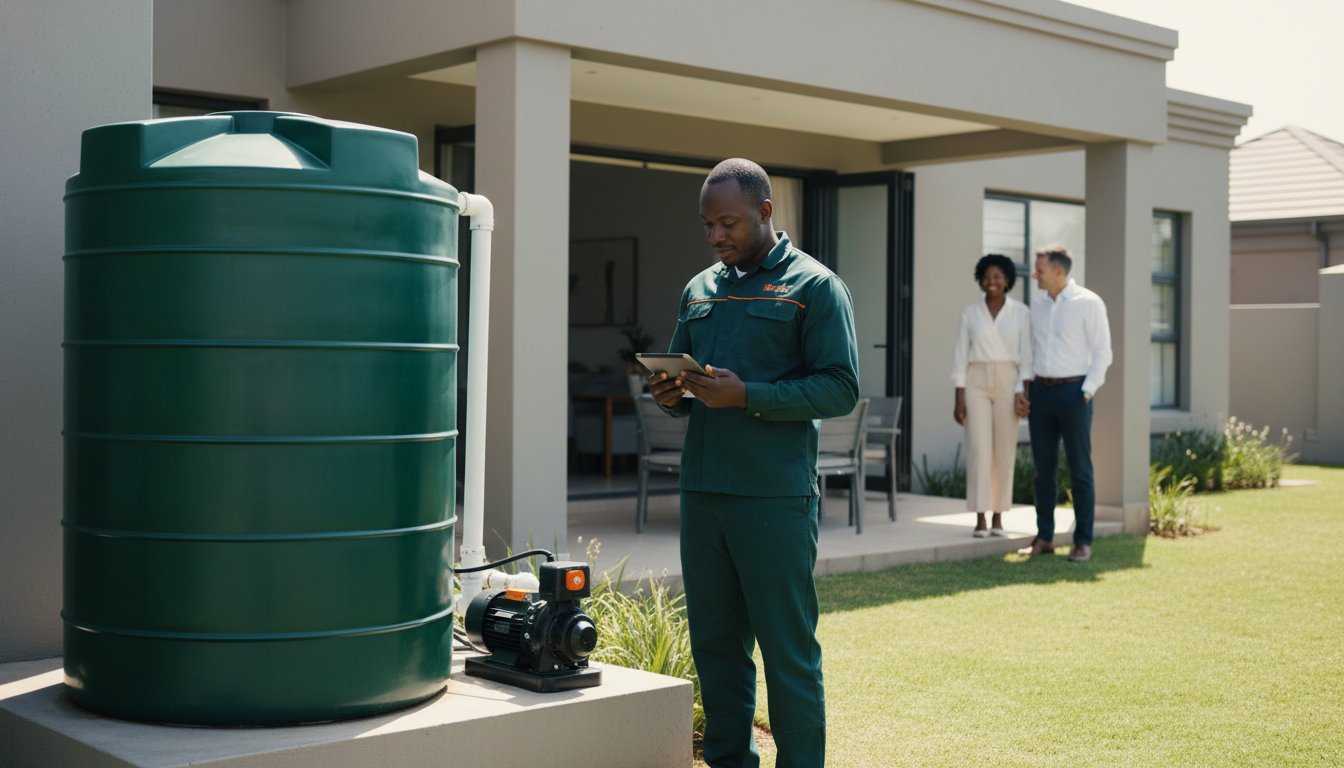
A standard jojo tank installation requires a booster pump to maintain consistent pressure throughout the property. Older, fixed-speed pumps operate at maximum power every time a tap is opened, which is a significant waste of electricity. We recommend Variable Speed Drive (VSD) pumps for modern homes. These units adjust their motor speed based on actual demand, using only the energy required for the specific flow rate. By placing tanks on elevated platforms, you can also utilise gravity to reduce the workload on the pump. For those aiming for total autonomy, integrating solar-powered pumps ensures that your water security does not place an additional burden on your battery backup system during load shedding.
Leak Detection as an Energy Saving Strategy
Hidden leaks are a silent drain on your energy reserves. If your booster pump kicks in when no taps are running, you likely have a leak that is causing the system to lose pressure. This continuous cycling wastes power and shortens the lifespan of the pump motor. In areas with high-density housing like Midstream and Centurion, even a small drip in a complex irrigation system can lead to substantial energy waste over a month. Professional Leak Detection is a vital energy-saving measure that pays for itself by stopping this unnecessary electrical draw. A leak-free home ensures that every kilowatt-hour used by your plumbing system is purposeful and cost-effective.
If you have noticed your booster pump running more frequently than usual, it is time to secure your home's efficiency. You can book a professional leak detection and water tank assessment to ensure your system isn't wasting precious energy and water.
Securing Your Investment: Professional Installation and COCs
The sudden demand for energy saving solutions home Johannesburg residents are seeking has unfortunately led to a rise in "fly-by-night" installers. While a low quote might be tempting, the technical complexity of modern energy systems requires verified expertise. A poor installation does more than just underperform; it can lead to electrical fires or catastrophic water damage that your insurance provider will not cover. Professional installation ensures that your solar geysers and inverter systems operate at peak efficiency from day one. This prevents the "efficiency drift" that occurs when components are poorly matched or incorrectly calibrated, ensuring your long-term utility savings remain consistent.
The Importance of a Valid COC
In Johannesburg, an Electrical COC is a legal requirement for property transfers, but its value goes far beyond a sale. When you upgrade to a backup battery system or install new solar components, your existing certificate no longer covers those specific circuits. A new certificate, which typically costs between R850 and R2,750 depending on the property's size and complexity, verifies that the work meets national safety standards. Similarly, a Plumbing COC is essential for solar geyser installations to ensure they comply with SANS 10254 standards. Without these documents, insurance claims related to power surges or geyser bursts are frequently rejected. A professional Electrical Fault Finding session can also reveal hidden issues, such as neutral-to-earth faults, that may be inflating your bill before you even begin your efficiency journey.
Choosing a Local Johannesburg Partner
Finding a partner who understands the specific challenges of the Gauteng grid is essential for long-term reliability. Whether you are in Sandton or Waterfall, you need a team that provides more than just a basic installation. You require verified Geyserwise installers and solar experts who follow official protocols to the letter. A local partner offers the accountability that a faceless corporation cannot, providing a disciplined approach to both the initial setup and ongoing maintenance. This includes regular checks on your Backup Battery Systems and ensuring your LED & Smart Lighting remains correctly integrated with your essential loads wiring. For those ready to secure their property's future, you can Contact Apple Plumbing & Electrical for a comprehensive home energy audit that covers everything from leak detection to inverter health.
By prioritising professional standards and official certification, you protect your household from the risks of sub-standard workmanship. This methodical approach ensures that your home remains a safe, compliant, and highly efficient ecosystem that can withstand the ongoing energy and water challenges facing Johannesburg.
Building a Future-Ready Home in Johannesburg
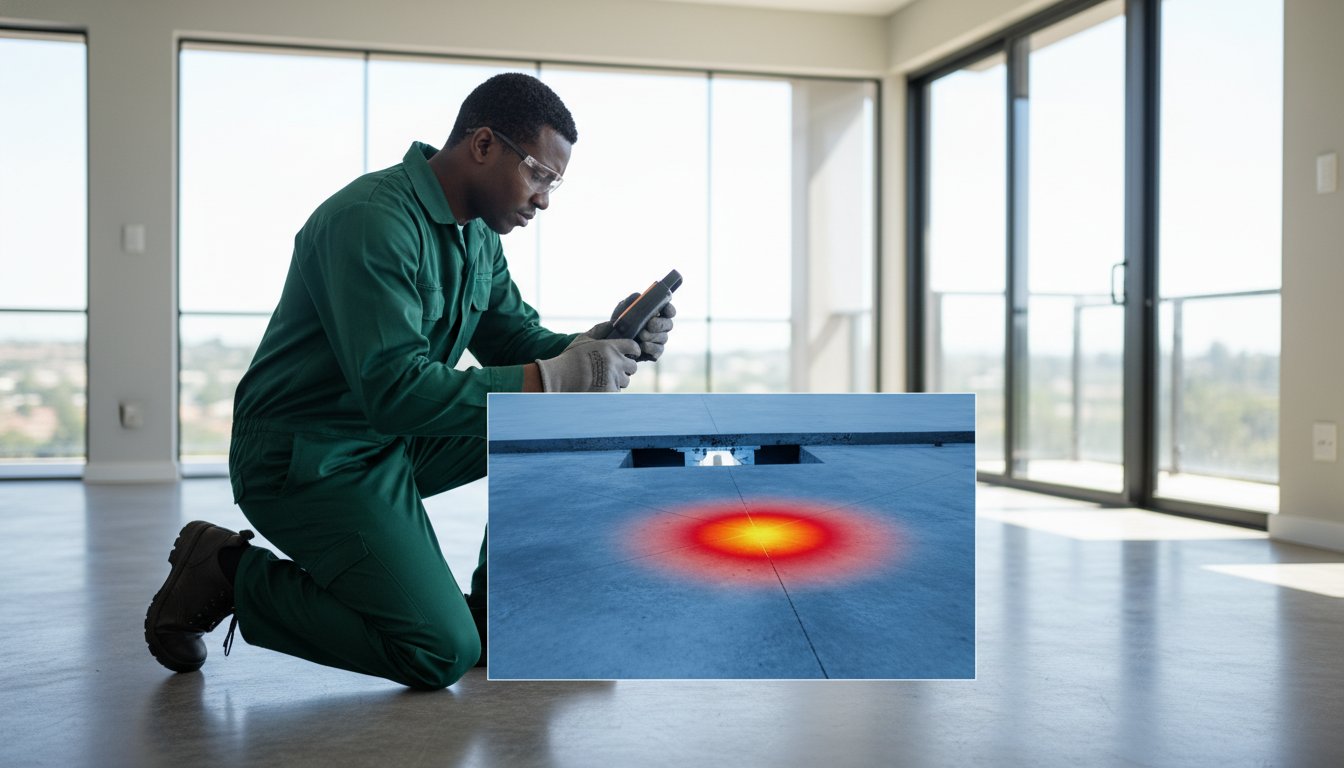
Navigating the complexities of the 2026 energy landscape requires a shift from basic habits to systemic resilience. By addressing high-draw appliances like geysers and optimising your water-energy nexus with efficient pumping, you significantly lower your monthly utility spend. Securing these upgrades with official Electrical and Plumbing COCs ensures your property remains a protected, high-value asset. Implementing the right energy saving solutions home Johannesburg residents need is about more than just surviving the next tariff hike; it's about creating a predictable, self-sufficient environment for your family.
Our team is ready to help you transition to a more sustainable household. We provide 24/7 emergency support in Sandton and Centurion and are authorised Geyserwise installers dedicated to professional standards. You can request an energy efficiency audit from Apple Plumbing & Electrical to identify exactly where your home is losing power and water. We provide certified COCs for all work, giving you the peace of mind that your infrastructure is safe and compliant. Take the first step toward long-term reliability and cost control today.
Frequently Asked Questions
What is the most cost-effective energy saving solution for a Johannesburg home?
Managing your hot water heating is the most cost-effective starting point for any household. Because water heating accounts for up to 40% of a household's electricity usage, installing a Geyserwise controller or a solar geyser provides the fastest return on investment. These energy saving solutions home Johannesburg residents rely on can pay for themselves through reduced utility bills within a few years of installation.
Does a solar geyser actually work during a Johannesburg thunderstorm?
Solar geysers continue to function during overcast conditions or thunderstorms, though their thermal gain is reduced compared to a clear day. Most modern systems include an integrated electrical backup element controlled by an intelligent timer. This ensures you still have hot water during the typical afternoon Highveld storms whilst prioritising solar energy whenever the sun is visible.
How much can I save by switching from a standard geyser to a heat pump?
Switching to a heat pump can reduce the electricity required for water heating by approximately 70%. These units extract ambient heat from the air rather than relying solely on an electrical resistance element. For a large family in Gauteng, this shift represents a massive reduction in monthly kilowatt-hour consumption, especially during the winter months when heating demands are at their peak.
Is an Electrical COC required if I only install a small backup battery?
A valid Electrical COC is mandatory for any backup battery system that is hard-wired into your home's distribution board. Even for smaller inverter installations, the law requires verification that the system is safe and compliant with national standards. This document is also essential for ensuring your household insurance remains valid in the event of a fire or electrical fault.
Can I run my JoJo tank pump off my home inverter system?
You can run a booster pump off an inverter, provided the system is sized to handle the pump's starting current. We recommend using variable speed drive (VSD) pumps, as they draw significantly less power and won't overwhelm your battery backup. Integrating your water security with your electrical backup ensures you maintain water pressure even during prolonged municipal power outages.
How often should I service my energy-saving geyser system?
We recommend a professional service every 12 to 24 months to maintain peak efficiency. For solar geysers, this involves checking the magnesium anode for corrosion and ensuring the collector panels are clean. Regular maintenance prevents efficiency drift and identifies small leaks or faulty valves before they lead to expensive repairs or increased energy usage.
What are the essential loads I should prioritise during load shedding?
Priority should be given to low-draw items like LED lighting, internet routers, and security systems. You should also include your refrigerator to prevent food spoilage during longer outages. High-draw appliances such as ovens, kettles, and underfloor heating must be excluded from your essential loads wiring to prevent draining your battery storage too quickly.
Do I need a plumber or an electrician for a solar geyser installation?
A solar geyser installation requires both plumbing and electrical expertise to ensure safety and compliance. A plumber manages the water connections and high-pressure valves, whilst an electrician must wire the backup element and controller to the DB board. Hiring a dual-qualified team that provides both a Plumbing COC and an Electrical COC is the best way to secure your investment.